Inspecting nuclear facilities with unmanned aerial systems
October 22, 2021, 3:01PMNuclear News
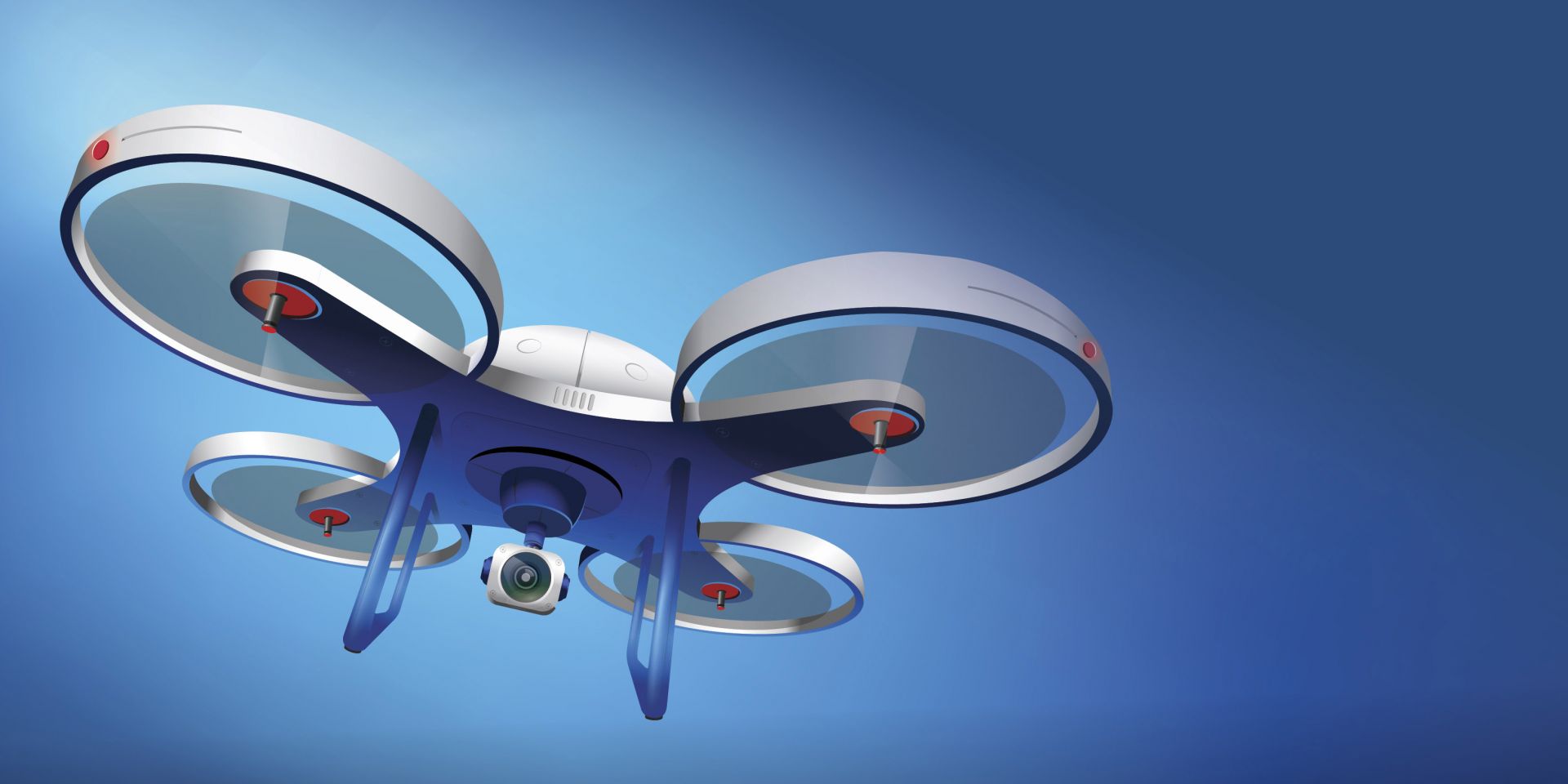
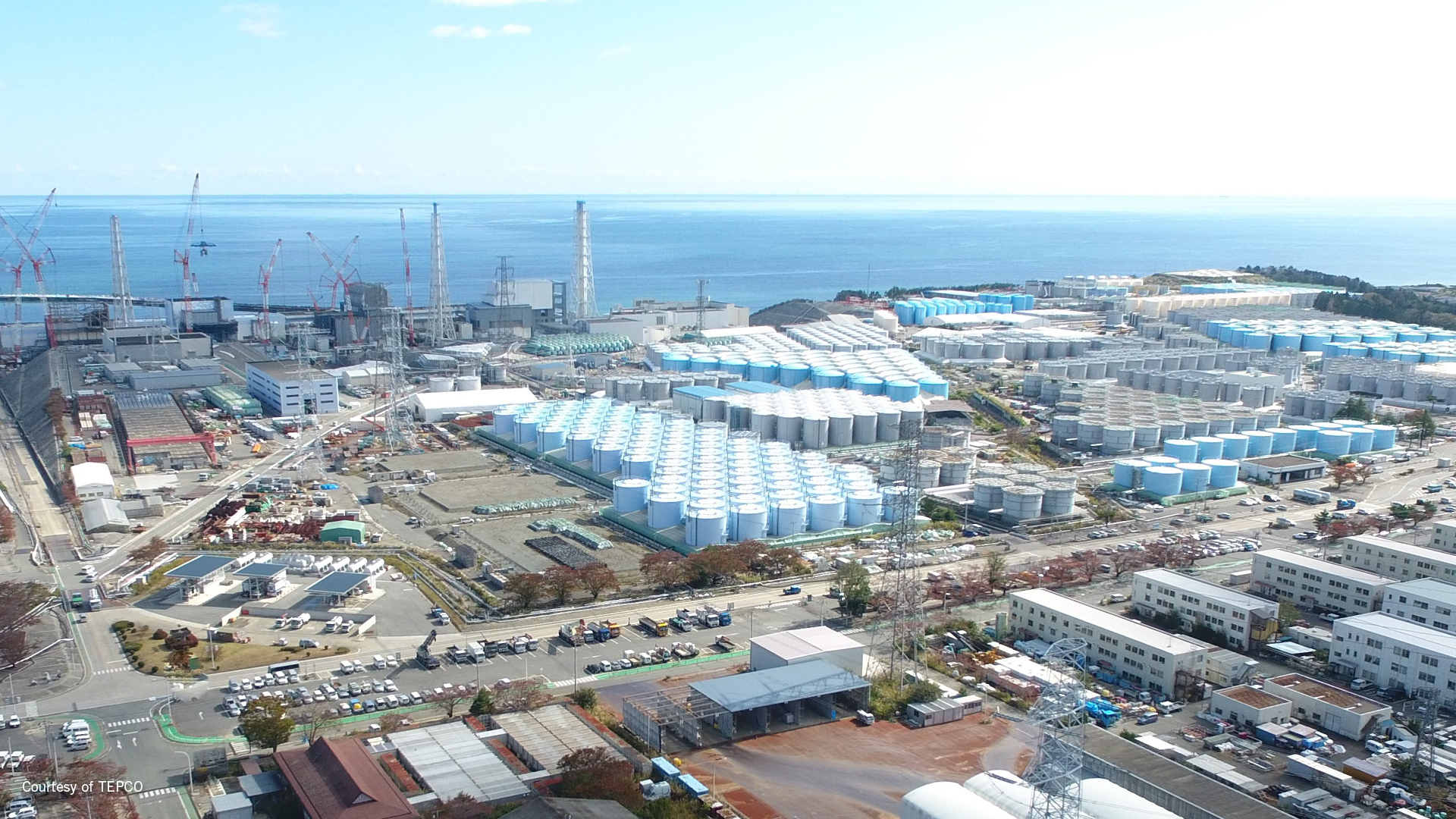
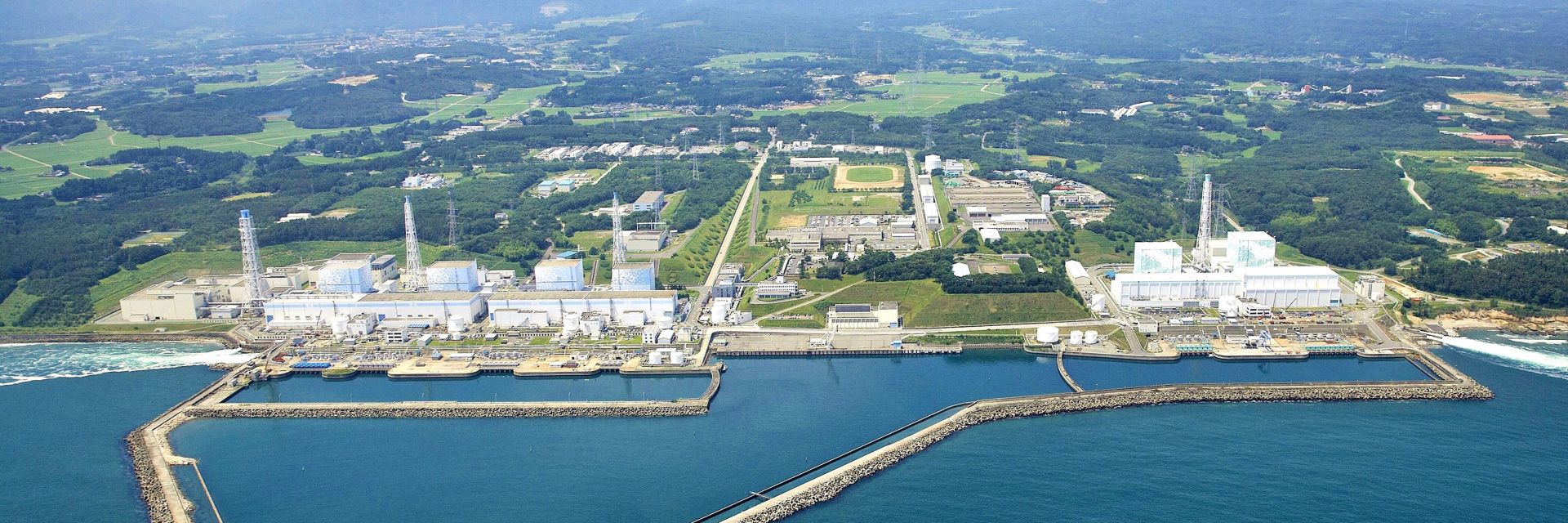
Over the past decade, unmanned aerial systems (UASs), more commonly referred to as drones, have played an increasing role in the day-to-day activities of the energy sector. Applications range from visually inspecting wind turbines, flare stacks, pipelines, and facilities to evaluating vegetation encroachment near power lines. Although the benefits of UASs have been reported in these industries, their use in the nuclear community has only recently been explored. For instance, a drone was sent into a waterbox at a Duke Energy facility to inspect for leaks.1 And at Fukushima Daiichi, a drone was used to conduct a post-accident radiation survey inside Unit 3, and drones are being investigated for use inside the damaged containments.2
To continue reading, log in or create a free account!
 The International Atomic Energy Agency has revised upward its projections regarding the potential growth of nuclear power’s capacity for electricity generation over the next three decades. The upward revision is the first by the IAEA since the Fukushima Daiichi accident in 2011.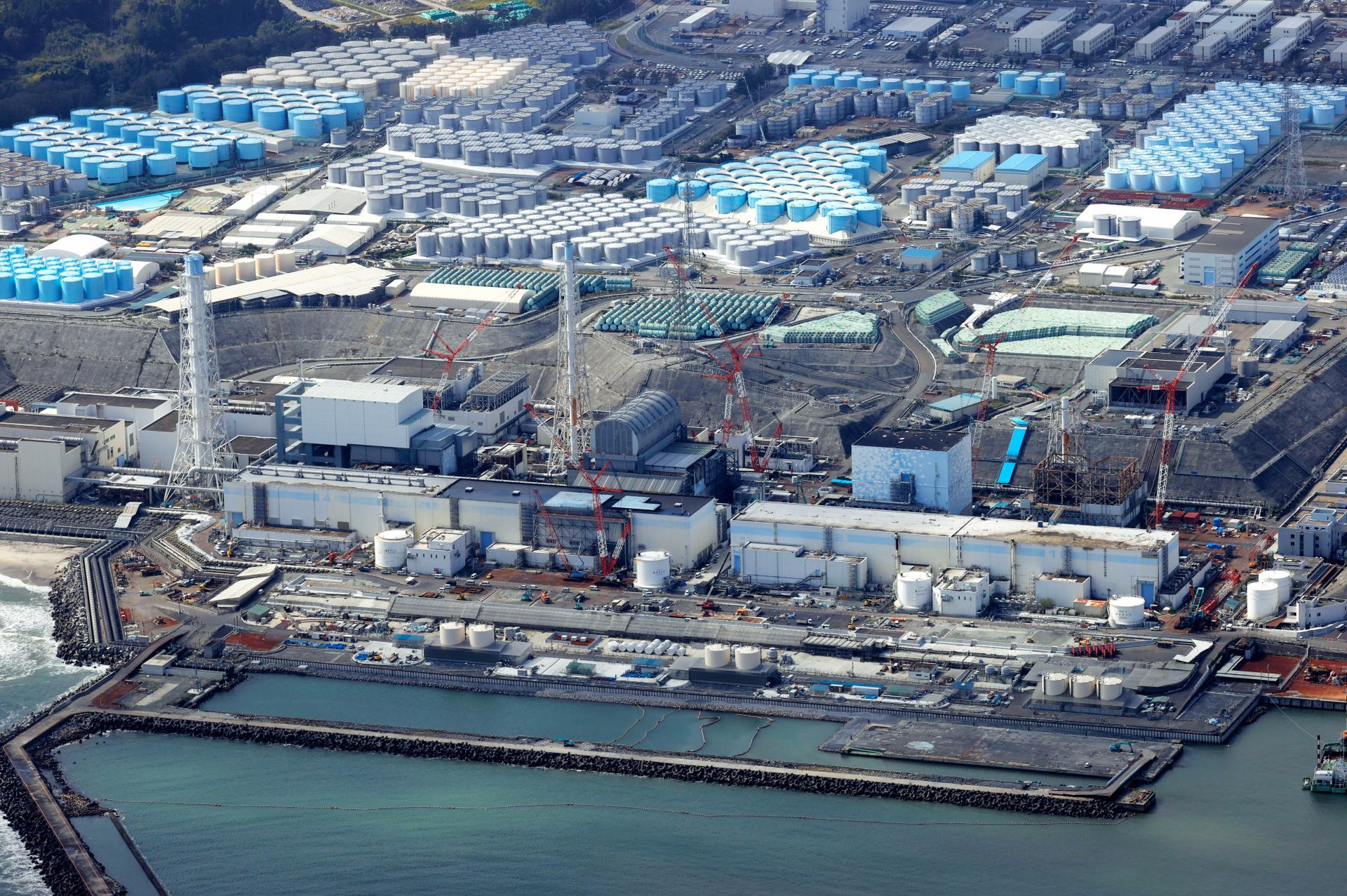
 The decline in global carbon dioxide emissions recorded last year will not continue through 2021, a new report from the International Energy Agency concludes. Released last week,
 .jpg)